A Library of Logic
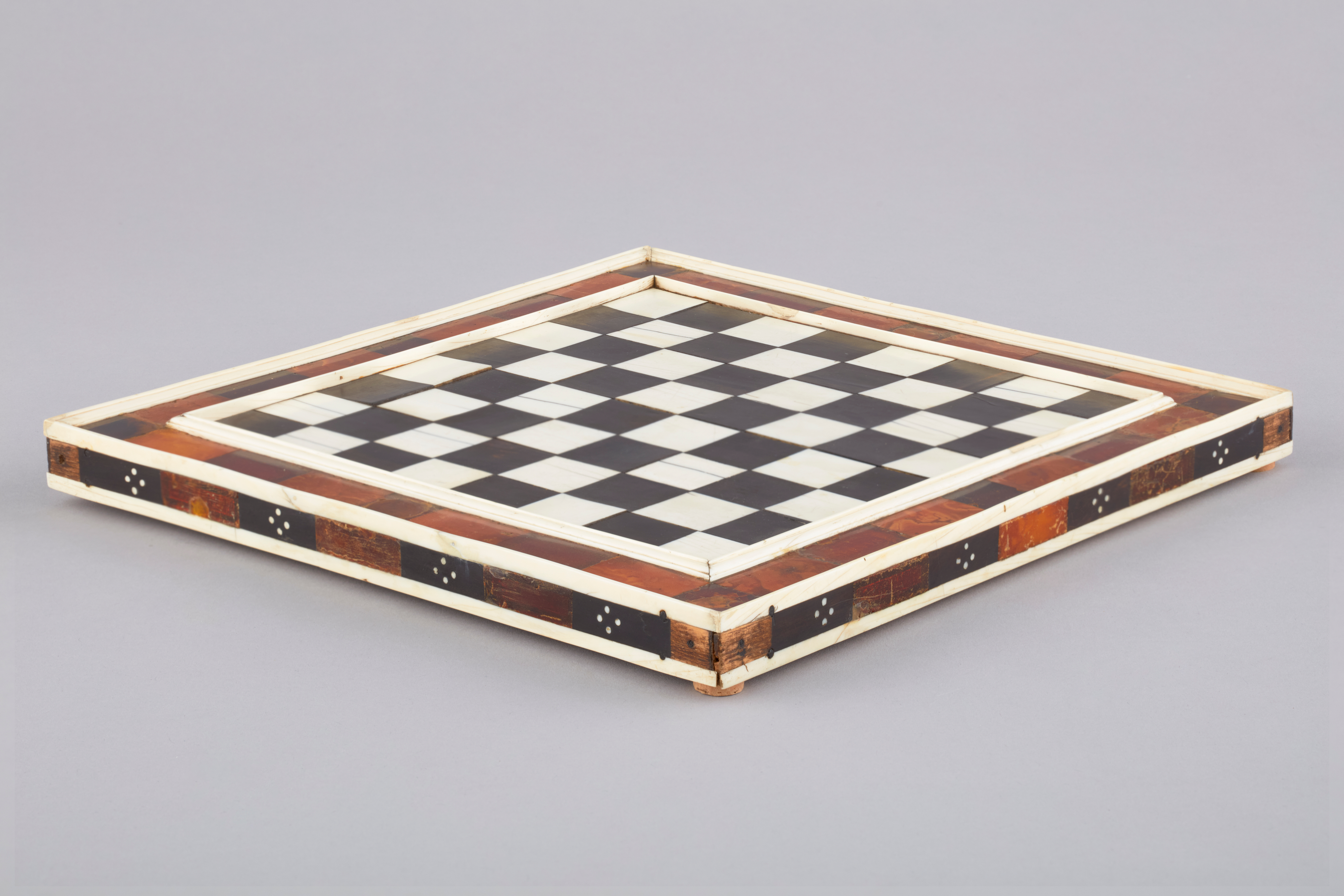
To plan a computation you need the right logic, like the rules of a game. If you encounter a board with 8 x 8 alternating squares perhaps you mean to play chess or perhaps checkers. In a game of checkers, pieces can jump each other but in chess some pieces like pawns cannot move through obstacles. This does not upset anyone because the rules of each game are specific to that world. It is the same way with reasoning. There is no hard rule that can never be broken. Between different logics we get different answers. What unifies our reasoning is that some rules get used in similar ways from one situation to the next, not unlike how games fit into genres (role play, games of total chance, games of strategy, action games and so on). Once you play enough games of one kind you get faster and better at games with similar rules. Likewise, all you need to be successful at reasoning is to know how to learn the rules of each game and to choose games, I mean logics, you know and enjoy.
Questions and Targets
- Discover everyday worlds where the logical rules change.
- Start to recognize judgments as split amongst Computational, Practical and Theoretical reasoning.
- Learn to detect the context that explains the rules of your logic.
- Uncover a puzzle using substitution the forces us to confront infinity and computation right at the start of logic.
Where to next?
If you here to dig in follow the blue wire to one of the next components. Or you can hop over to the next chip to keep taking in the general picture.