Deductive Reasoning
When we peddle clockwise (when facing the gears) on a bicycle we know the bike will move forward. It is a deduction that one proposition (peddling clockwise) leads to a specific outcome (the bike moves forward).
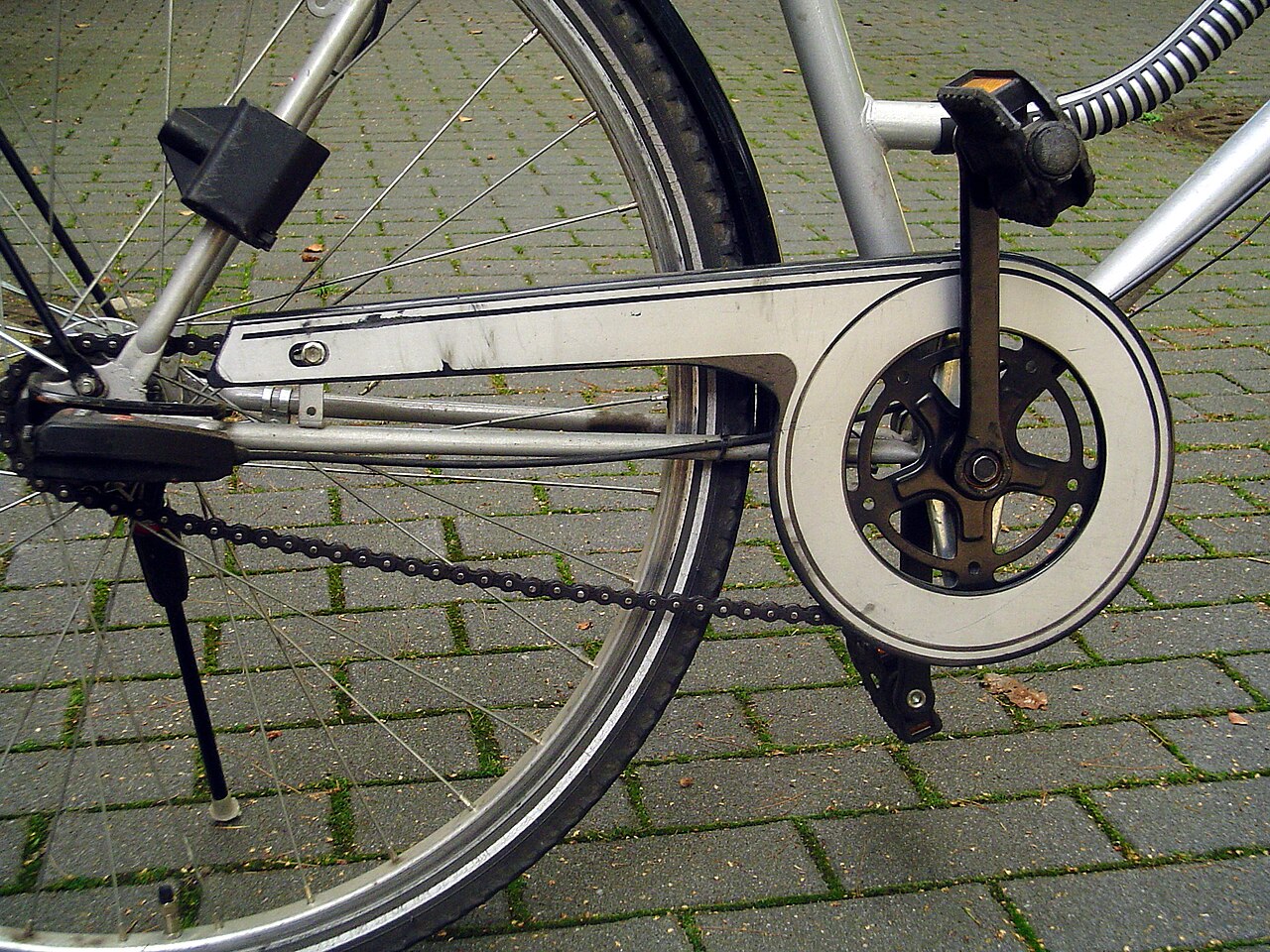
We can even argue why. We could establish that the motion moves a chain clockwise which moves a gear on the rear wheel clockwise which moves the attached wheel clockwise which means the back of the bike pushes forward. It all locks into place as a solid deduction. We can insert these steps to refine our earlier judgment.
Now what happens if we peddle counterclockwise? If you have experience riding or watching bicycles you know this becomes a delicate question. The argument we just made could be reversed to suggest the bicycle would move backward. But many who have witnessed a bicycle ride will notice peddling backwards does not generally change the direction. Nor does it matter if you stop peddling once in motion. Those conclusions are far less deductive. Those need some intervening knowledge that our photographic evidence has not provided. This is the point of deductive reasoning versus other forms of reasoning. Deduction should proceed from the evidence. Peddling clockwise offers enough evidence for such a deduction. Peddling backwards likely does not (we might using inductive reasoning instead).
While it is a tangent, who would want to leave this discussion without exploring why bikes behave so differently based on clockwise and counter-clockwise rotation. Modern bicycles have a freewheel mechanism that allows the rear wheel to continue spinning even when the pedals are not being turned and only engage in the clockwise direction. This is why peddling backwards does not generally make the bicycle move backward.
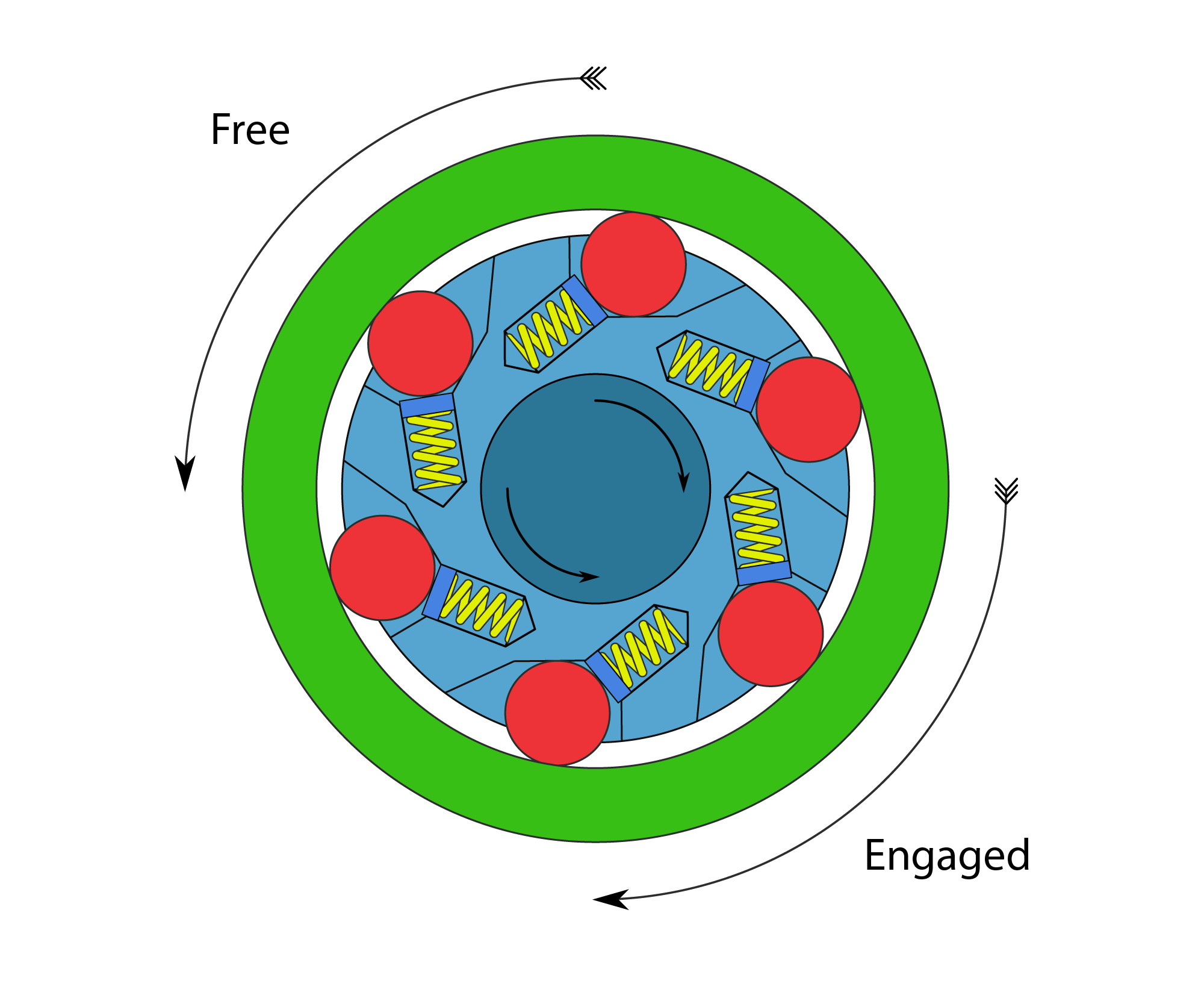
Meanwhile, a unicycle (or fixed wheel bicycle) will move backward if you peddle counterclockwise, as there is no freewheel mechanism to prevent the reverse motion. That gives the unicycle its ability to perform clever tricks like rocking back and forth in place.

Since we are having some fun here is your challenge. What happens if you rest a bicycle against a wall facing the chain with the peddle in the down position and you pull backwards on that lower peddle which rotates the gear clockwise as before?
(As a warning, this author was once humiliated in front of a room of PhD professors for guessing the wrong answer and attempting the experiment live. Over confidence will get you far, sometimes too far.)
Deductive Reasoning is to systematically argue from your evidence to what is necessary.
Computational Impact
Deduction was one of the first forms of reasoning converted into computation and you may already see why. If you have data that backs up a claim and that claim leads to another claim you will in effect be transforming your input data into output data. This is what you might call a function. This is a deduction made computational and the first leg of the Curry-Howard-Lambek correspondence.
Having a definition brings up new questions, for instance, whose “system” do we accept and what counts as “evidence”? You might want to first continue the green loop to explore the two other forms of reasoning (inductive and deductive) or you can take the harder blue track now of digging into how we reason deductively.
Curry["00/preface.qmd"] @ (0,1)
*Deduct["Deduct/index.qmd"] @ (1,1)
Induct["Induct/index.qmd"] @ (1,0)
Logic["Deduct/01/index.qmd"] @ (2,1)

Curry.9-10 -.-> Deduct.3-4
Deduct.9-10 --> Induct.4-5

Deduct.6 ==> Logic.3